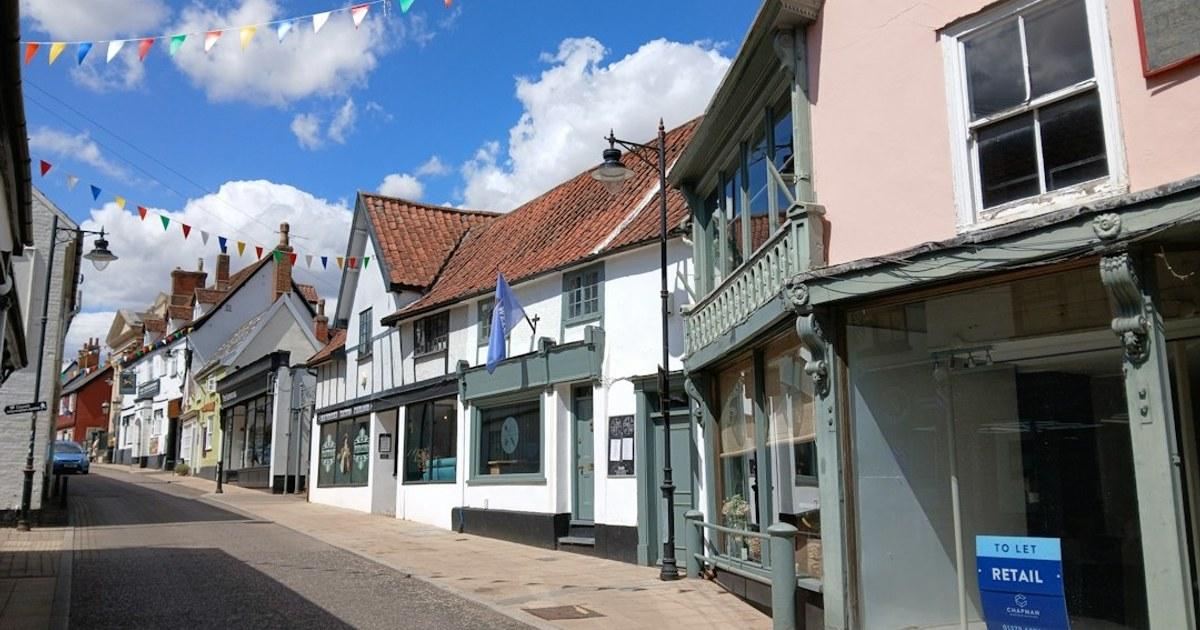
A café in England with a rateable value of £16,000 gets no Small Business Rate Relief today and pays a bill of about £6,100 a year. From 1 April 2027, the same café should pay nothing. The Budget on 28 October raised the relief thresholds for retail, hospitality and leisure properties, and the first thing to check is a number most owners have never looked up: their rateable value.
TL;DR: From 1 April 2027, qualifying retail, hospitality and leisure (RHL) properties in England get 100% Small Business Rate Relief up to £18,000 rateable value, tapering to nil at £21,000. The old limits were £12,000 and £15,000. Bills for other RHL properties are capped at CPI inflation for two years, pubs get 35% off, and vape shops lose relief. Check your rateable value on GOV.UK now.
What Changed in the Budget for Business Rates?
Small Business Rate Relief (SBRR) thresholds rise for qualifying RHL properties from 1 April 2027. Full relief now runs up to a rateable value of £18,000, up from £12,000, and partial relief tapers to zero at £21,000, up from £15,000 (MHCLG business rates information letter 8/2026, 2026).
The government estimates this takes around 70,000 more RHL businesses out of business rates altogether, and that half of all RHL properties will then pay none (GOV.UK Budget 2026 press release, 2026). That figure is a government estimate.
The higher thresholds apply until at least 31 March 2029 and will be reviewed at the 2029 revaluation. The changes still need amending regulations, which the ministry says will follow "in the coming weeks", so the detail could shift before April.
Does Your Business Count as Retail, Hospitality or Leisure?
What matters is how the property is used. It must be wholly or mainly used for a qualifying purpose, and your council decides that on the facts. The government guidance lists shops, supermarkets, restaurants, cafés, pubs, hotels, B&Bs, cinemas and theatres among the qualifying uses. Banks, betting shops and car parks are excluded.
Two carve-outs arrive with the new thresholds. Vape shops lose access to SBRR entirely and also lose the lower RHL multipliers. Adult gaming centres lose the RHL multipliers but keep SBRR on the old £12,000 and £15,000 limits. If you run a convenience store with a vaping counter, how your property is classified will matter, and the government has said a definition of "vape shop" will follow. Our Vaping Products Duty guide covers the separate duty those retailers already pay.
Offices, warehouses and workshops are not RHL. They stay on the standard £12,000 and £15,000 thresholds.
How Much Will You Actually Save?
For a single-property business between £12,000 and £21,000 rateable value, the saving is large. Take the café at £16,000. In 2026-27 it sits above the £15,000 taper ceiling, so it gets no SBRR and pays £16,000 x 38.2p (the small business RHL multiplier) = £6,112 (GOV.UK, 2026). From April 2027 it gets 100% relief.
A shop at £19,500 sits halfway between £18,000 and £21,000, so it gets 50% relief. Using the 2027-28 small business RHL multiplier of 39.5p, the bill before relief is £7,702.50 and after relief it is £3,851.25. These figures ignore transitional relief and any other adjustments your council applies.
The 2027-28 multipliers are 49.7p standard, 44.7p small business, 44.5p standard RHL, 39.5p small business RHL and 52.5p for the high-value multiplier (MHCLG letter 8/2026, 2026). The ministry revised the RHL rates on 30 October, two days after the Budget, so check any figure you saw in the first week.
What If Your Rateable Value Is Above £21,000?
You get no SBRR, but if you occupy a qualifying RHL property you still get a two-year real-terms bill freeze. Bills are capped at CPI inflation in 2027-28 and 2028-29, with no rateable value limit, so larger shops and hotels benefit too.
There are conditions. The property must be occupied on 1 April of each year to qualify that year, so a unit standing empty on 1 April 2027 misses the freeze for 2027-28. The cap also does not cover increases in rateable value from improvements you make, or reliefs you lose after 1 April 2026.
Pubs, social clubs and most live music venues get a separate boost. Their relief rises from 15% to 35% for 2027-28 and 2028-29, although live music venues with a rateable value of £1 million or more stay at 15%.
What If You Have More Than One Property?
SBRR is normally for businesses with one property, and this is where multi-site owners trip up. Under the current rules you keep relief on your main property only if each additional property has a rateable value of £2,899 or less and the combined total stays under £20,000, or £28,000 in London (GOV.UK, 2026).
From April 2027 that combined limit becomes a single £29,999 across England until 31 March 2029. The letter applies this to SBRR generally, not only to RHL properties. A café owner with a small storage unit, or a retailer with a second kiosk, should rework the sums now.
In our experience, a second property is the detail owners most often forget to mention to the council. Councils do catch up, and the backdated bill tends to land at a bad moment for cash flow.
Three Steps to Take Before April 2027
Start by finding your rateable value using the Valuation Office Agency's Find a business rates valuation service. You search by postcode. If the figure looks wrong for your premises, you can challenge it through your business rates valuation account.
Then contact your local council, which awards SBRR. If you already receive relief, ask whether the new thresholds will be applied automatically on your 2027-28 bill. If you've never claimed because your rateable value was between £15,000 and £21,000, ask how to apply, because councils will not always know you're eligible. Councils usually issue annual bills in March, so check your 2027-28 bill against these thresholds when it lands.
What we see most often is owners who assume relief is automatic and never ask. Put a note in the diary for February 2027, and factor a lower or nil rates bill into your year-end planning and budgets for 2027-28. The wider Budget 2026 changes for UK business owners are worth reading alongside this one.
Frequently Asked Questions
Does the £18,000 threshold apply in Scotland, Wales or Northern Ireland?
No. Business rates are devolved, and this change covers England only. Scotland, Wales and Northern Ireland run their own relief schemes with different thresholds, so check with your local council there.
When does the new Small Business Rate Relief threshold start?
It applies from 1 April 2027, the start of the 2027-28 rates year. Nothing changes for 2026-27 bills, so a property between £12,000 and £21,000 pays on the current rules until 31 March 2027.
Do I need to apply for Small Business Rate Relief?
Usually yes, through your local council. Some councils apply relief automatically when they hold the information, but many need an application. Ask your council directly, especially if your property was previously above the £15,000 taper limit.
Will the new thresholds last beyond 2029?
The higher thresholds are set until 31 March 2029 and will be reviewed at the 2029 revaluation. The government hasn't said what happens after that, so don't build longer-term plans around them yet.
My office is below £18,000. Do I qualify for full relief?
Not under the new thresholds. Offices are not retail, hospitality or leisure properties, so you stay on full relief up to £12,000 and tapered relief to £15,000. You may still benefit from the higher combined limit for second properties.
Not sure whether your premises qualify, or whether a second unit puts your relief at risk? Talk to our team - we'll go through your rateable values with you and work out what your 2027-28 rates bill should be.