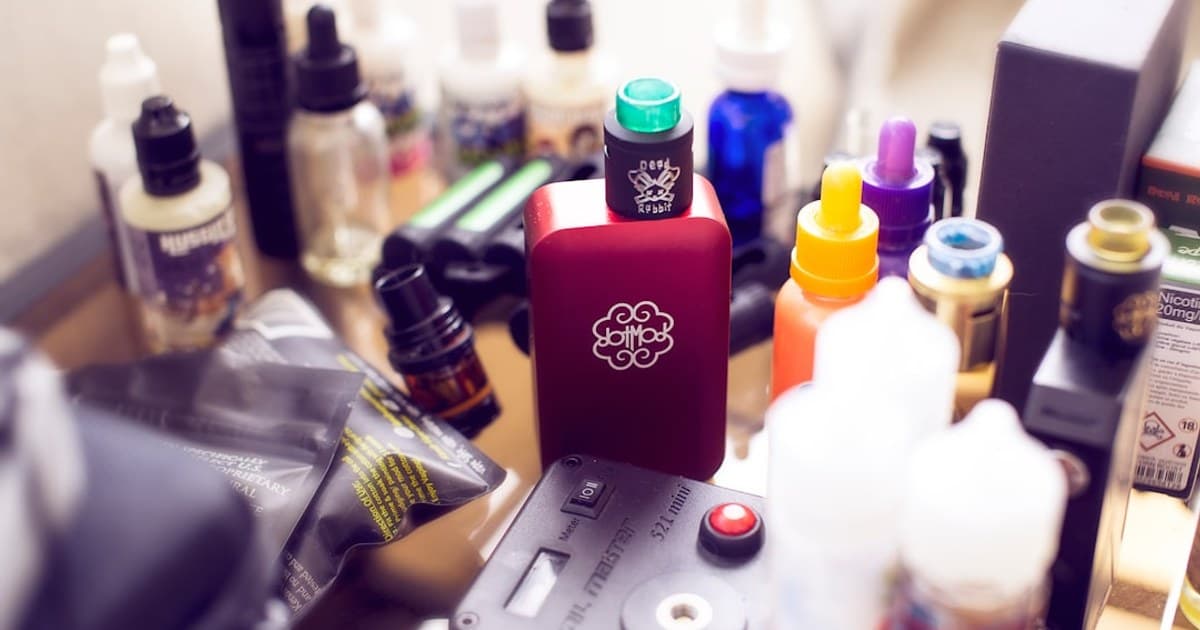
If you make, import, or store vaping liquid in the UK, a new excise duty lands on 1 October 2026 and the registration window is already open. HMRC approval can take at least 45 working days, so a business that waits until September risks trading unlawfully on day one. HMRC has also confirmed more than 30,000 high-street interventions in 2026-27, with vape shops named among the targets (GOV.UK, 2026). The message is simple: get registered early.
TL;DR: Vaping Products Duty applies from 1 October 2026 at a flat £2.20 per 10ml of vaping liquid, whether or not it contains nicotine. UK manufacturers, importers, and warehousekeepers must apply to HMRC for approval, with applications open from 1 April 2026 and processing taking up to 45 working days. Returns are monthly, due by the 7th.
What Is Vaping Products Duty and When Does It Start?
Vaping Products Duty (VPD) is a new excise duty on vaping liquid, charged at a flat £2.20 per 10ml regardless of nicotine strength (GOV.UK, 2026). It takes effect on 1 October 2026.
The rate works out at 22p per millilitre. A 10ml bottle carries £2.20 of duty; a 100ml short-fill carries £22 before VAT is added on top. The scope is broad: it covers any liquid intended to be vaped, so nicotine-free e-liquids are caught the same as nicotine ones. Medical and tobacco products are excluded.
The Treasury expects VPD to raise £135m in 2026-27, rising to £565m by 2030-31 (GOV.UK, 2026). Alongside it, tobacco duty rises by a matching amount so switching from smoking stays cheaper than vaping.
Who Has to Register with HMRC?
Anyone who manufactures, imports, or stores vaping products in duty suspension must apply to HMRC for approval before 1 October 2026 (GOV.UK, 2026). That covers UK manufacturers, overseas manufacturers acting through a UK representative, importers, and customs or excise warehousekeepers.
Retailers are treated differently. If you only sell vaping products, you do not need HMRC approval to keep trading, because the duty is collected further up the chain. HMRC estimates around 200 vaping product manufacturers and up to 750 importers and warehousekeepers fall within the registration rules (GOV.UK, 2026).
What we see most often is confusion at the boundary. A shop that also imports its own-brand liquid, or holds stock in a bonded warehouse, crosses from retailer to registrable business without realising it. If any part of your operation touches manufacture, import, or duty-suspended storage, you need approval.
Why the Registration Window Matters Now
Applications for approval opened on 1 April 2026, and HMRC warns each one can take at least 45 working days to process (GOV.UK, 2026). Forty-five working days is roughly nine calendar weeks, which means an application filed at the end of July is already cutting it fine for a 1 October go-live.
Trading in scope without approval after 1 October is unlawful and exposes the business to enforcement. In our experience, the businesses that get caught out are not the ones ignoring the rule, they are the ones who assumed a fortnight would be enough and lodged the paperwork too late.
Treat the application as the first job, not the last. You will need details of your products, volumes, and premises, so gathering that now saves a scramble in September.
How Do You File Returns and Pay the Duty?
Once approved, you submit an online Vaping Products Duty Return by the seventh day of each month, covering the previous calendar month, and pay the duty due at the same time (GOV.UK, 2026). It is a monthly cycle, tighter than the quarterly rhythm many small businesses know from VAT.
The cash-flow effect is real. Import 5,000 units of 10ml liquid in a month and the duty alone is £11,000, payable by the 7th of the following month whether or not your customers have paid you yet. That timing gap is worth modelling before October, in the same way you would plan for quarterly VAT payments or any other cash-flow pressure on a small business.
One question clients always ask is whether VAT applies on top of the duty. It does. VAT is charged on the duty-inclusive price, so the effective cost increase is more than £2.20 per 10ml once VAT is layered on.
Vaping Duty Stamps: The Second Deadline to Watch
Running alongside the duty is the Vaping Duty Stamps (VDS) Scheme, and it has its own timeline. From 1 October 2026, duty stamps must be attached to individual vaping products released for sale in the UK (GOV.UK, 2026).
There is a short transitional easing. Digital-feature stamps become available from 1 September 2026, and transitional stamps can be used until 30 November 2026. From 1 April 2027, every vaping product outside duty suspension in the UK must carry a stamp, with no exceptions.
For importers and manufacturers this means a second operational change on top of registration: ordering stamps, applying them correctly, and accounting for any that are lost or damaged. Build it into your October readiness plan rather than treating it as a later problem.
What Are the Penalties for Getting It Wrong?
VPD carries the same enforcement framework as other excise duties, so the penalties are serious. There are civil penalties for failing to register, failing to file a return, and failing to pay the duty on time (GOV.UK, 2026).
Beyond the civil penalties sit criminal sanctions for excise evasion, including tampering with duty stamps or selling unstamped product, which can lead to custodial sentences. This is not a light-touch regime, and HMRC's high-street crackdown shows where the attention is going.
The practical risk for a compliant business is not fraud, it is lateness. A missed registration deadline or a late monthly return triggers penalties even when the underlying business is honest. The same discipline that keeps you clear of HMRC late payment penalties applies here.
Frequently Asked Questions
Does Vaping Products Duty apply to nicotine-free e-liquid?
Yes. The duty applies to any liquid intended to be vaped at the flat rate of £2.20 per 10ml, whether or not it contains nicotine. Only medical products and tobacco products are outside the scope.
Do vape shops need to register with HMRC?
Not if they only sell finished products. Retailers do not need approval because the duty is collected from manufacturers, importers, and warehousekeepers. A shop that imports its own liquid or stores stock in duty suspension does need to register.
When did registration open and how long does it take?
Applications opened on 1 April 2026. HMRC says approval can take at least 45 working days, so businesses should apply well before the 1 October 2026 start date to avoid trading unlawfully.
How often do I file a Vaping Products Duty return?
Monthly. The online return is due by the seventh day of each month and covers the previous calendar month, with payment due at the same time.
How much revenue is the duty expected to raise?
HMRC forecasts £135m in 2026-27, climbing to £565m by 2030-31. An estimated 200 manufacturers and up to 750 importers and warehousekeepers are affected.
If your business makes, imports, or stores vaping liquid, the registration clock is running now. Talk to our team and we'll help you check whether you need HMRC approval, get the application in before the 45-day window closes, and set up your monthly returns so the first filing in November isn't a scramble.